
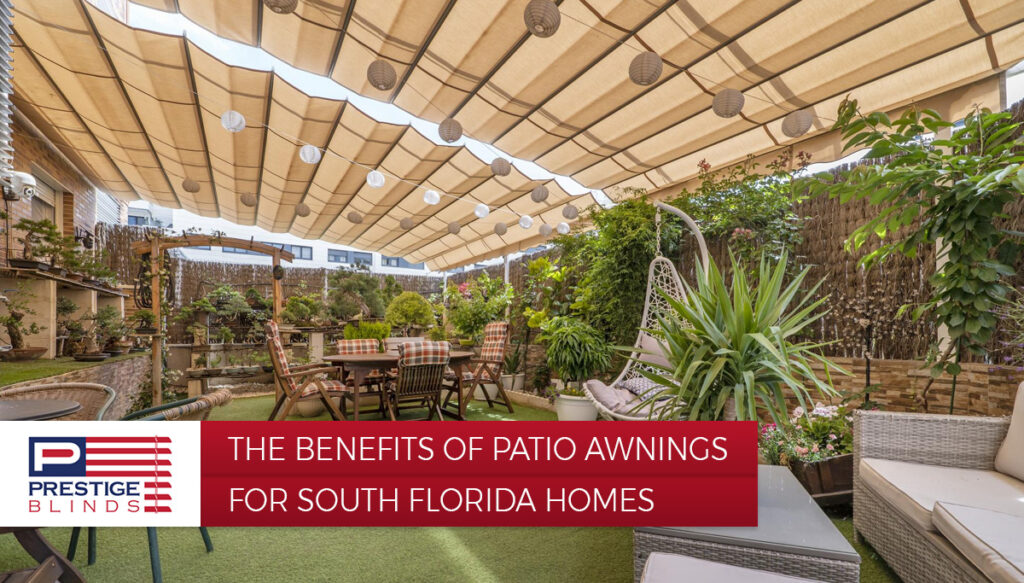
A well-placed awning can turn an underused slab of concrete into the most inviting spot at home. The benefits of patio awnings go well beyond shade: they expand livable space, tame summer heat, protect people and furnishings from UV, and even trim energy bills. With today’s durable fabrics, sleek frames, and smart controls, an awning delivers comfort on demand, no major construction required. Here’s how the right system can elevate everyday life outdoors and indoors.
Expand Your Outdoor Living Space
Cooler, More Comfortable Seating Areas
Shade changes the microclimate. Under a quality patio awning, surface temperatures on pavers, decking, and furniture drop noticeably, often making the space feel 10–20°F cooler than the exposed area beside it. That difference turns quick dashes outside into lingering afternoons, coffee in the morning, a laptop after lunch, dinner al fresco.
It also improves how the space feels. No more squinting, less glare on screens, fewer hot cushions. Add a quiet outdoor fan and the shaded air moves, boosting comfort on humid days. For families, the predictable pocket of shade means kids and pets can be outside longer without baking in direct sun. In short, the awning helps a patio behave like a real room.
Shelter From Light Rain and Midday Glare
A properly pitched awning channels light showers away from seating areas, keeping books, cushions, and tablets dry enough to stay put. While awnings aren’t storm shelters, they easily handle passing sprinkles, ideal for late-spring or early-fall weather. Just as useful is the midday glare control: the fabric diffuses harsh overhead light so the space stays usable when the sun is at its most intense. That extends the day on both ends, earlier breakfasts outside, later conversations after sunset.
UV Protection for Skin and Eyes
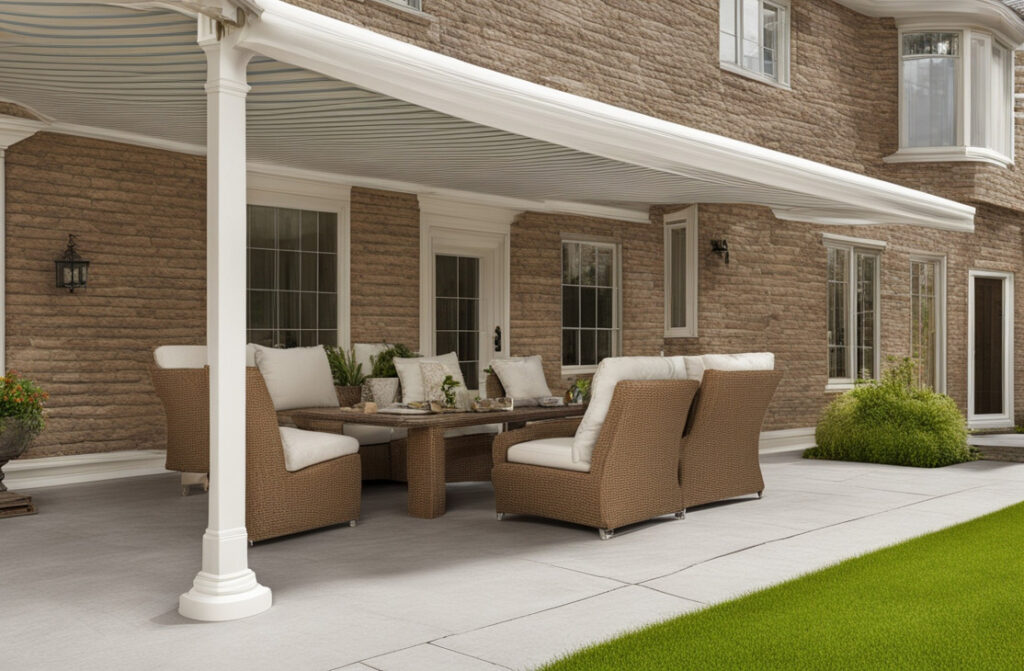
Many performance awning fabrics carry UPF 50+ ratings, blocking roughly 98% of UVA and UVB rays. That’s a meaningful layer of protection for skin and eyes during peak sun hours. It won’t replace sunscreen (reflected light still exists), but it significantly reduces exposure for anyone who prefers the outdoors without the burn. Less squinting and fewer headaches from glare are simple, everyday gains.
Prevent Fading of Upholstery, Rugs, and Decking
Sunlight is the silent culprit behind faded cushions, weathered rugs, and brittle deck boards. By filtering direct sun before it reaches the patio and the interior just beyond, an awning slows photodegradation of fabrics and finishes. Indoor rugs and wood floors near glass doors benefit too. Homeowners often notice that the line of fade in front of sliders virtually stops once a patio awning is routinely in use, a small detail with big long-term savings.
Lower Energy Use and Improve Indoor Comfort
Reduce Solar Heat Gain Through Windows and Doors
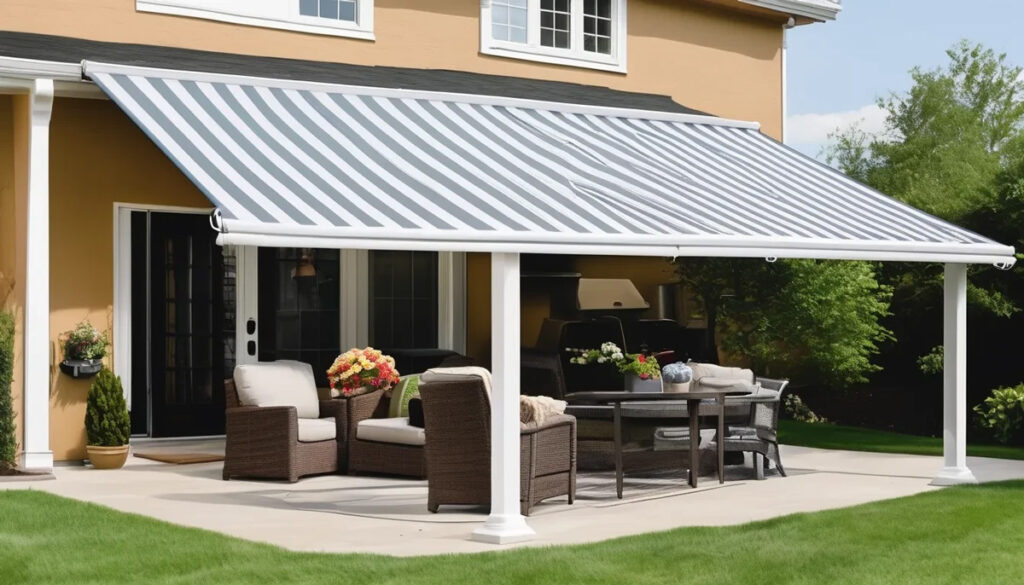
Glass is great for views, not so great for heat. In summer, sunlight passing through creates a greenhouse effect, warming interior rooms by several degrees. According to industry data and energy guidance, exterior shading can reduce solar heat gain through south-facing windows by up to about 65% and through west-facing windows by up to about 77%. By shading the glass before sunlight hits it, a patio awning tackles the problem at the source.
Retractable designs offer seasonal control: extend in hot months to block high-angle sun, then retract in winter to welcome free solar warmth. That simple routine helps stabilize interior temperatures without sacrificing daylight.
Cut Cooling Costs While Keeping Natural Light
Shading reduces the load on air conditioners. Depending on climate, window orientation, and usage, awnings have been shown to trim cooling energy use by roughly 10–25%. Unlike heavy drapes or blackout shades, but, they preserve pleasant, indirect daylight. Spaces stay bright enough for everyday tasks, no cave effect. Choosing lighter-colored fabrics maintains a soft glow indoors, while still delivering impressive heat rejection. It’s a practical way to realize the benefits of patio awnings on the utility bill without giving up the airy feel people love.
Enhance Curb Appeal and Perceived Value
Architectural Accent Without Major Construction
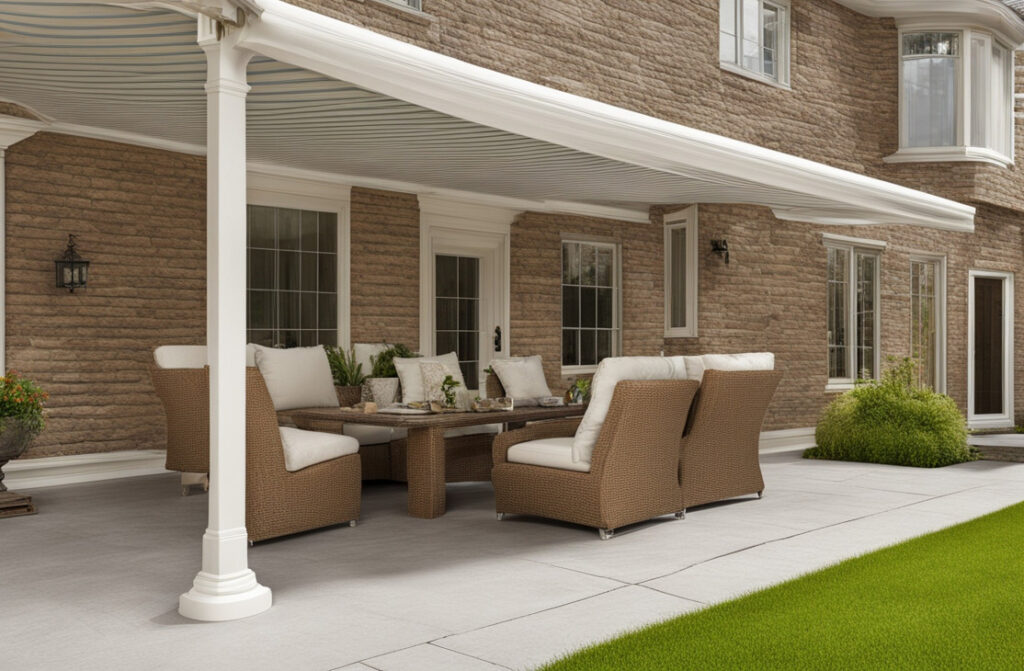
Awnings add dimension to a façade, shadow lines, a defined edge, a welcoming sense of entrance to the backyard. They create the feel of an outdoor room without building a roof extension or pergola. Most installations mount cleanly to the wall or soffit, often without permits, and can be completed in a few hours by a pro. The result is a noticeable upgrade in livability and perceived value: prospective buyers often read an awning as “more usable space,” even if square footage hasn’t changed.
Color, Fabric, and Style Options to Match Your Home
From streamlined, full-cassette retractables that disappear into a sleek housing to classic open-roll designs with scalloped valances, style choices are plentiful. Fabric options include solids, heathered neutrals, and timeless stripes in solution-dyed acrylics that resist fading and mildew. Frames typically come powder-coated in popular tones, white, black, bronze, to coordinate with trim and hardware. With widths that span small balconies to expansive patios and projections commonly between 8 and 13 feet, it’s easy to tailor the scale and look to the architecture.
Flexible Control for Changing Weather
Retractable and Motorized Convenience
Retractable arms make shade a choice, not a constant. Motorized models pair with wall switches, handheld remotes, or smartphone apps, and many integrate with voice assistants and smart-home systems. Sun and wind sensors can automate extension on bright afternoons and retraction in unsafe gusts, useful when no one’s home. Full- or semi-cassette housings protect the fabric when closed, extending service life and keeping things tidy against the wall.
Seasonal Adaptability and Wind/Storm Considerations
The best practice is simple: extend for sun and light rain, retract for sustained winds (typically over 20–25 mph), storms, or snow. Adjustable pitch helps fine-tune shade angles through the year and encourages proper runoff during showers. In cold climates, some owners remove valances or store fabric for winter: others simply keep the awning retracted. Following manufacturer guidelines and scheduling quick annual checks keeps the system ready for the next season.
Low Maintenance With Long-Term Savings
Durable Materials and Easy Care
Modern awnings use corrosion-resistant aluminum frames, stainless-steel hardware, and high-performance fabrics, often solution-dyed acrylic or PVC-coated polyester. These materials are water-repellent, breathable, and colorfast. Routine care is light: brush off debris, rinse occasionally, and spot-clean with mild soap. Avoid pressure washers and harsh chemicals. Allow the fabric to dry before retracting to discourage mildew on surface contaminants (the fibers themselves resist it). Once a season, check mounting bolts, arm tension, and seals: lubricate moving joints if the manufacturer recommends it. Many systems carry multi-year fabric warranties and long frame warranties, reflecting their durability.
Cost-Effective Alternative to Permanent Additions
Installed retractable awnings commonly range from about $2,000 to $6,000 depending on width, projection, fabric, and motorization: manual, smaller units can be less. Compare that with pergolas or roof extensions that can easily run $8,000 to $30,000+. Beyond lower upfront cost, the benefits of patio awnings accrue over time: reduced cooling bills, fewer faded furnishings to replace, and the ability to scale up later with lighting, drop shades, or heaters as habits evolve. It’s a practical, phased path to a fully realized outdoor living area.
Conclusion
Patio awnings quietly solve a lot of everyday problems, harsh sun, sudden sprinkles, overheated rooms, while making outdoor spaces genuinely inviting. They expand living area, protect people and finishes, temper indoor temperatures, and add a tailored, architectural touch. With retractable control, durable materials, and motorized options, the benefits of patio awnings show up the moment the fabric unfurls and continue season after season. For homeowners seeking comfort without construction, an awning is a smart, stylish upgrade that pays off in use, not just in looks.